Restaurant Marketing Advice

How to Plan Your Restaurant or Bar Marketing Calendar for 2027

A practical month-by-month framework for connecting promotions, content, public relations and website updates to real business goals.

Start With Revenue Goals and Operational Priorities

Before adding holidays or campaign ideas, identify what the restaurant needs marketing to help accomplish in 2027. Priorities may include growing weekday lunch, increasing private dining inquiries, selling more catering, introducing a new location, building bar traffic, improving guest frequency or strengthening awareness in a specific neighborhood.

Choose a small number of priorities for the year, then assign them to the quarters when the kitchen, staffing, space and budget can support them. A campaign should never promise an experience the operation is not ready to deliver.

Build the Calendar Around Your Restaurant’s Real Sales Patterns

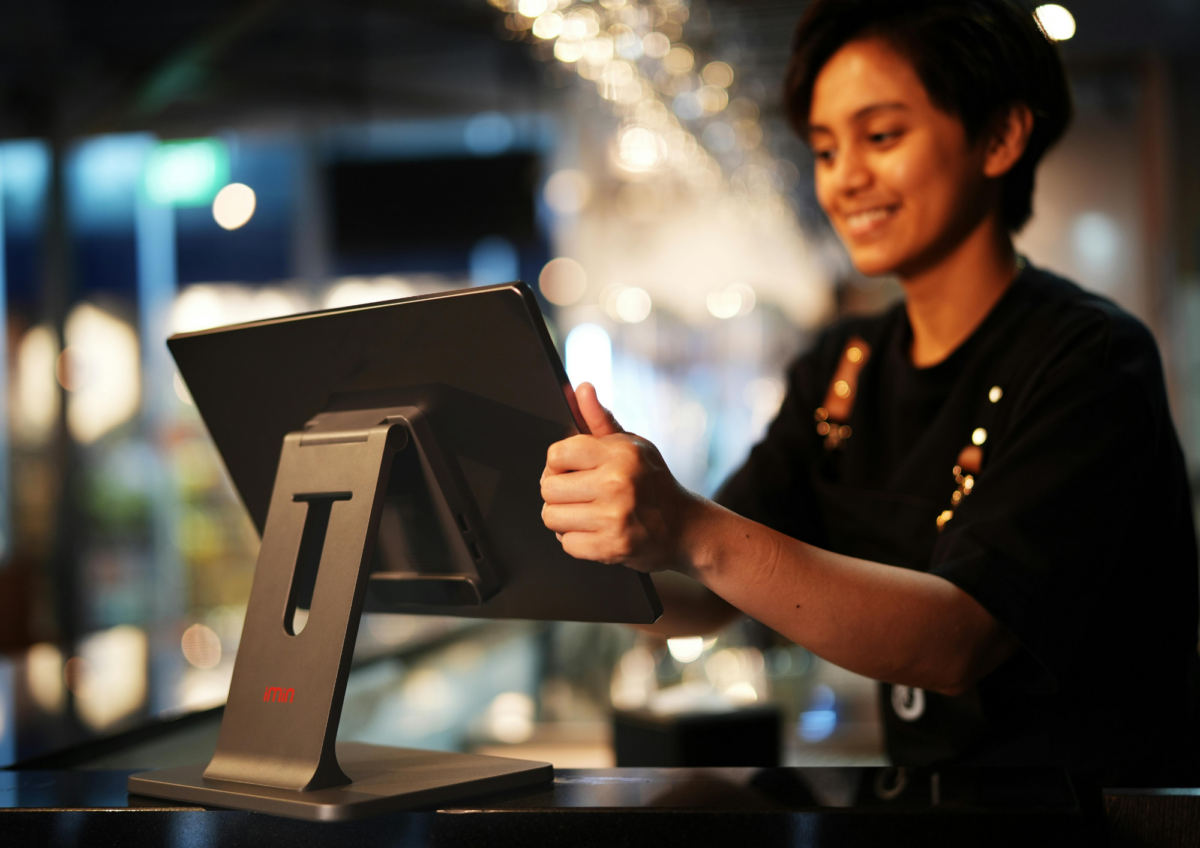
Use your own point-of-sale, reservation, online ordering, gift card, loyalty and website data to understand what happened in 2026. Review sales and guest counts by month, day of week and daypart. Note when large parties, catering orders, event inquiries and gift card purchases increased. Identify the periods when traffic softened.

The National Restaurant Association recommends using POS data to identify best sellers, peak periods, guest preferences and promotion performance. Your historical data is more useful than a generic claim that every restaurant shares the same busy season. A patio restaurant in Texas, a resort bar and a downtown lunch concept will not have identical calendars.

Add the Dates That Actually Affect Demand

Now layer in the dates that matter to your market: major holidays, school calendars, local festivals, sports seasons, conventions, tourism periods, restaurant weeks, cultural celebrations and neighborhood events. Include internal dates such as menu changes, anniversaries, remodels, leadership announcements and planned photo shoots.

Treat national food holidays as optional creative prompts, not the strategy. A date belongs on the calendar only when it is relevant to the brand, useful to the guest and realistic for the operation.

Plan Backward From Every Major Campaign

For each priority campaign, choose the launch date and work backward. A useful restaurant marketing timeline may include offer approval, menu costing, photography, landing-page updates, reservation or ordering setup, email production, social content, paid advertising, media outreach, staff training and post-campaign reporting.

Public relations usually needs a longer runway than social media. Website development and new landing pages also require time for writing, design, approvals, tracking and testing. When those deadlines live in the same calendar, marketing stops being the last department to find out what is happening.


Give Every Month One Primary Job

A crowded calendar is not the same as a strong strategy. Give each month one primary business focus, then support it with a few coordinated messages. One month might center on private dining. Another may focus on a seasonal menu, chef story, community partnership or weekday traffic opportunity.

This creates repetition without making the content feel repetitive. Social media can build awareness, email can reach known guests, public relations can expand credibility, the website can answer questions and convert interest, and paid media can extend the strongest message to a defined audience.

Define the Owner, Budget and Measurement Plan

Every major campaign needs an owner, an approval deadline, an operating budget, a media budget and a clear next step for the guest. Decide in advance whether success means reservations, online orders, private event leads, catering inquiries, gift card sales, loyalty sign-ups, calls or another measurable action.

Use trackable campaign links and confirm that forms, phone numbers, reservation buttons and ordering paths work before launch. Review results after the campaign and add the lesson to the calendar. The goal is not to predict the entire year perfectly. It is to create a plan the team can improve as real data comes in.

Frequently Asked Questions

When should restaurants plan their annual marketing calendar?
Begin annual planning during the fourth quarter so leadership can align business priorities, budgets and major campaigns before the new year. Keep the calendar flexible and review it at least quarterly.

What should a restaurant marketing calendar include?
Include business goals, campaign themes, important dates, offers, audiences, channels, content needs, website updates, public relations deadlines, paid-media budgets, owners, approval dates and success measures.

How far in advance should a restaurant promote an event or offer?
The timeline depends on the campaign. A simple social post may need days, while a major event, holiday catering push, website project or public relations campaign may need several weeks or months. Plan backward from the guest decision date and the work required.

Should bars and restaurants use every national food holiday?
No. Use only the occasions that genuinely fit the concept, menu and audience. Brand relevance and operational readiness matter more than filling every square on the calendar.

Ready To Get Started?

A good restaurant marketing calendar gives your team clarity before the rush begins. If you need help turning your 2027 business priorities into a practical plan across strategy, social media, public relations and your website, Embark Marketing can help you build the roadmap.

LET'S CHAT