Why Google Ads Work for Restaurants: The Complete Guide
Why Google Ads Work for Restaurants: The Complete Guide
How Diners Find Restaurants in 2026
The way customers discover restaurants has changed completely. Most diners now search online before choosing where to eat.
The Power of Local Restaurant Search
Over 90% of diners use search engines and AI to find dining options. These searches happen at critical decision moments. Someone types “Italian restaurants near me” when they are ready to make a choice or asks Siri to recommend a good sushi spot when they arrive in a new city.
Google processes billions of restaurant searches every month. Your restaurant needs visibility during these high-intent moments. Missing from search results means losing hungry customers to competitors.
Why Organic Search Results Are Not Enough
Organic search results take months or years to build. Your restaurant cannot wait that long for customers. Competition for top organic rankings is fierce in most markets & that kind of SEO takes time.
Google Ads appear above organic results. This means your restaurant shows up first when diners search. You control when and where your ads appear. Organic search alone leaves too much to chance and can leave you 3 pages down on results pages.
Restaurant Google Ads ROI: What the Numbers Show
Many restaurant owners worry about advertising costs. The key is understanding real return on investment. Google Ads can deliver measurable results that traditional advertising just cannot match.
Cost Per Customer vs Lifetime Value
A typical Google Ads click for restaurants costs between $2 and $8. Not every click becomes a customer. However, one new customer can be worth hundreds or thousands of dollars over time.
Consider this example: you spend $50 to acquire one new customer. That customer spends $75 on their first visit. They return five more times over the next year. Their total lifetime value reaches $450. Your initial $50 investment delivers a 9x return.
Regular customers are even more valuable. They bring friends and family. They leave positive reviews. They become advocates for your restaurant. Google Ads helps you find these valuable long-term customers.
What a $1,500 Monthly Budget Can Generate
Your budget generates approximately 300 to 750 clicks per month. This depends on your market, niche, and competition level, amongst others. Each click represents someone actively looking for a restaurant like yours.
These clicks convert to measurable actions. You can expect 30 to 75 phone calls per month. Another 60 to 150 people will request directions to your location. Many will visit your website to view menus and make reservations.
The revenue impact adds up quickly. If just 20% of callers and direction requests become customers, that is 18 to 45 new customers monthly. With an average check of $50, you generate $900 to $2,250 in new revenue. This represents a 60% to 150% return on ad spend in the first month alone. Further optimization can most certainly improve these results over time incrementally.
However, factors such as seasonal fluctuations can always improve results on a more immediate basis, such as with our client Reunion Coffee Cart, whose full case study during the holiday season can be found here.
Tracking Restaurant Google Ads Performance
You need to measure what matters for your restaurant. Google Ads tracks multiple conversion types that connect to revenue.
Phone call tracking shows exactly which ads drive calls. You see the caller’s number, call duration, and time of day. This helps you understand when customers want to reach you the most.
Direction requests indicate strong purchase intent. Someone requesting directions plans to visit soon. This metric directly correlates with foot traffic and sales.
Website actions like menu views and online reservations can also be tracked in Google Ads. All of these interactions connect these digital actions to real-world restaurant visits, which, when viewed as a complete picture shows your true advertising ROI.
Google Ads vs Traditional Restaurant Advertising
Traditional advertising methods cost significantly more. Radio spots run $500 to $2,000 per week with limited targeting. Print ads in local magazines cost $1,000 to $5,000 monthly. Billboards require $3,000 to $10,000 per month. None of these channels offers precise measurement and therefore, their effectiveness can never be truly measured.
Other online means of immediate visibility, such as third-party delivery platforms, charge 15% to 30% commission on every order and even more to be featured. These delivery fees never stop, and from firsthand knowledge, have been a major burden on restaurant owners. A restaurant doing $50,000 monthly in delivery sales pays up to $15,000 in commissions. That same budget in Google Ads reaches customers who dine in or order directly from the restaurant.
Google Ads provides complete transparency. You see exactly how many people clicked your ad. You track phone calls and direction requests. You measure reservations and orders. This data-driven approach makes every dollar accountable and adjustable for the season or occasion.
Your Website Must Be Optimized Before Running Ads
Google Ads drive traffic to your website. Your website must be ready to convert that traffic into customers. A poorly optimized website wastes your entire advertising budget and leads to lower conversion rates.
Mobile optimization is absolutely critical. Over 75% of restaurant website visitors use mobile devices. Your site must load quickly and display perfectly on phones. Slow loading times cause visitors to leave immediately.
Clear calls to action guide visitors toward conversion. Your phone number should be visible and clickable. Direction buttons need to work flawlessly. Online reservation systems must be simple and fast.
Menu accessibility makes or breaks the user experience. Visitors want to see your menu within seconds of arriving. PDF menus that require downloads frustrate mobile users. Your menu should display directly on the page and be accessible in search results to capture diners looking for specific items.
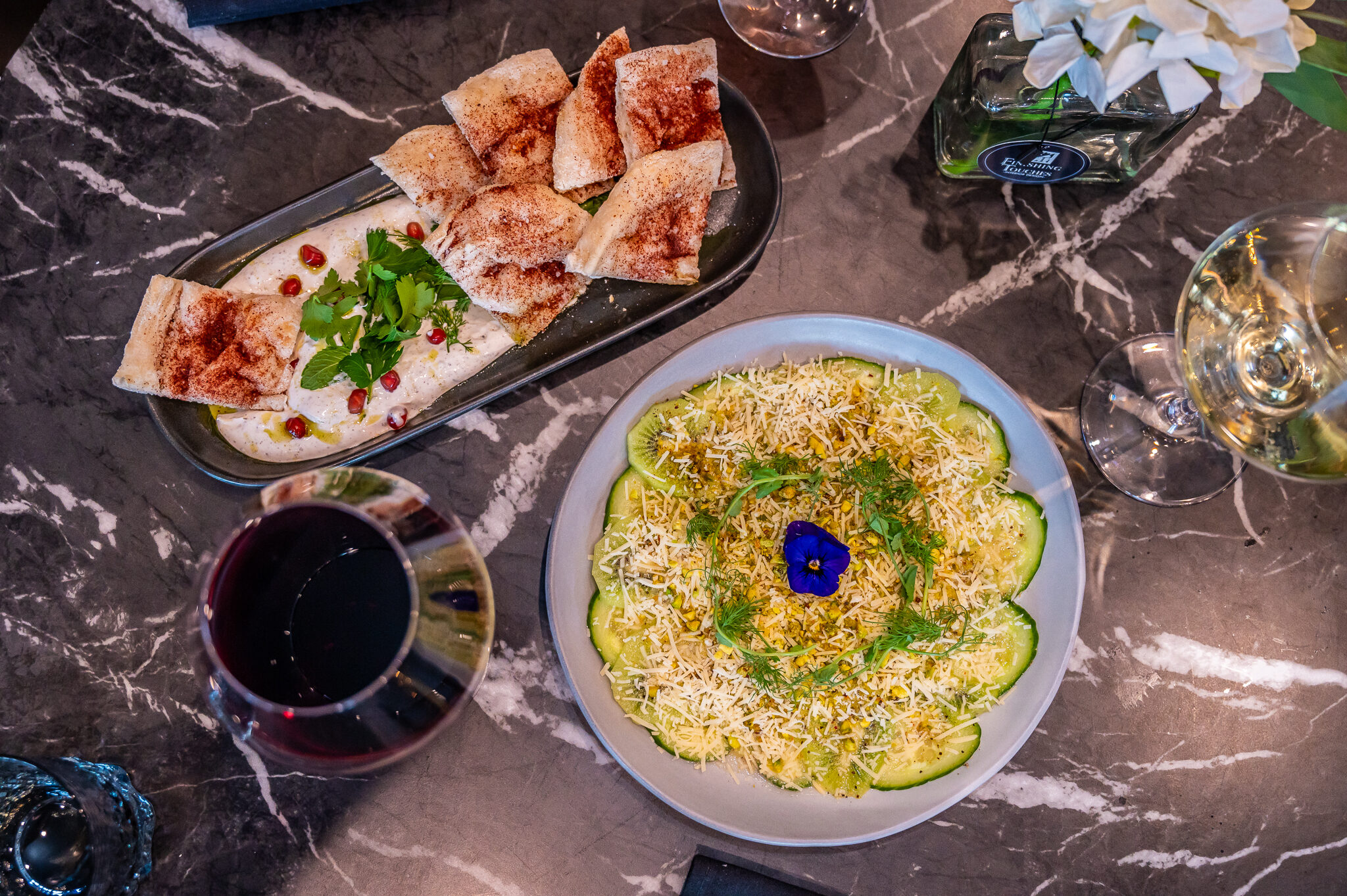
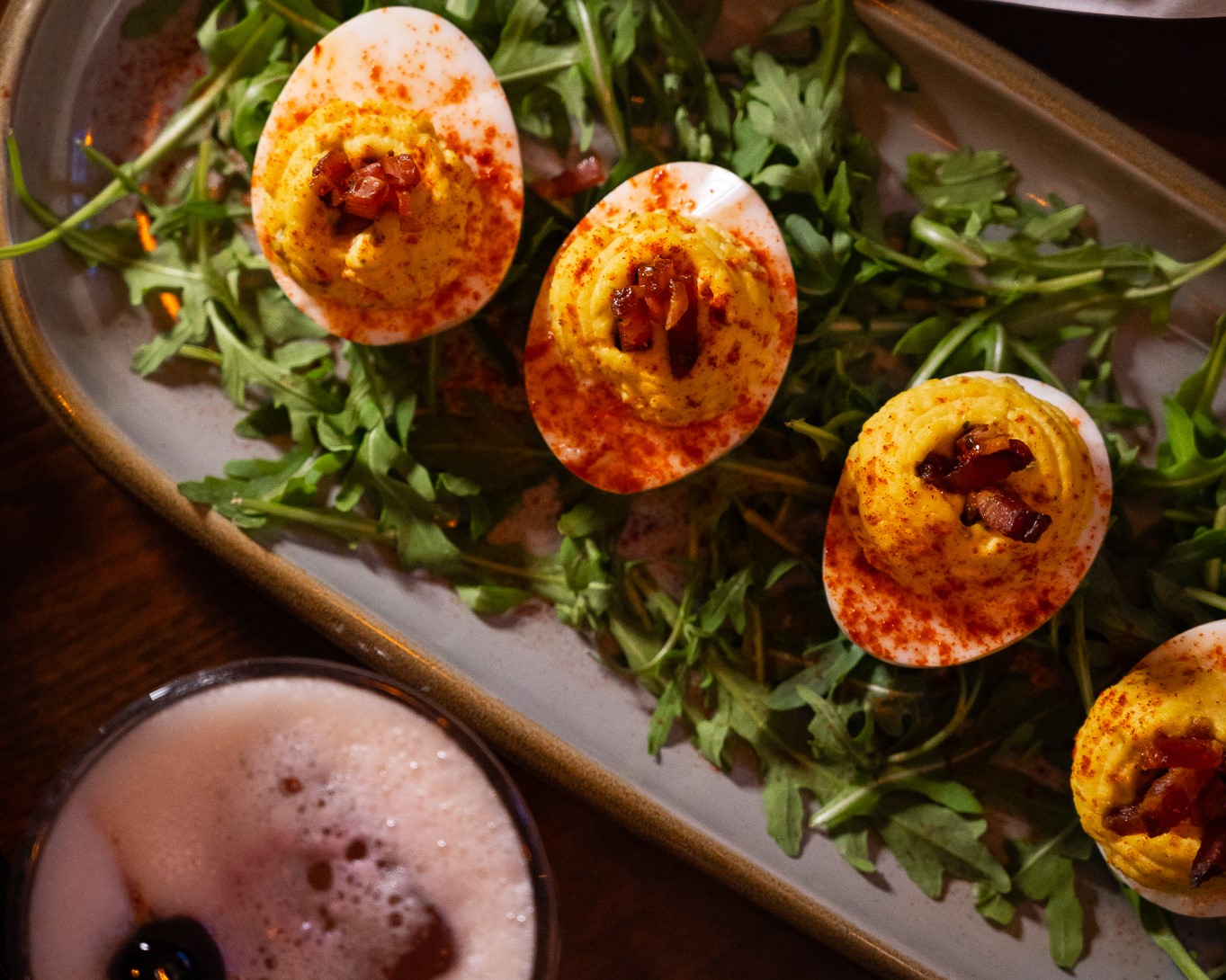
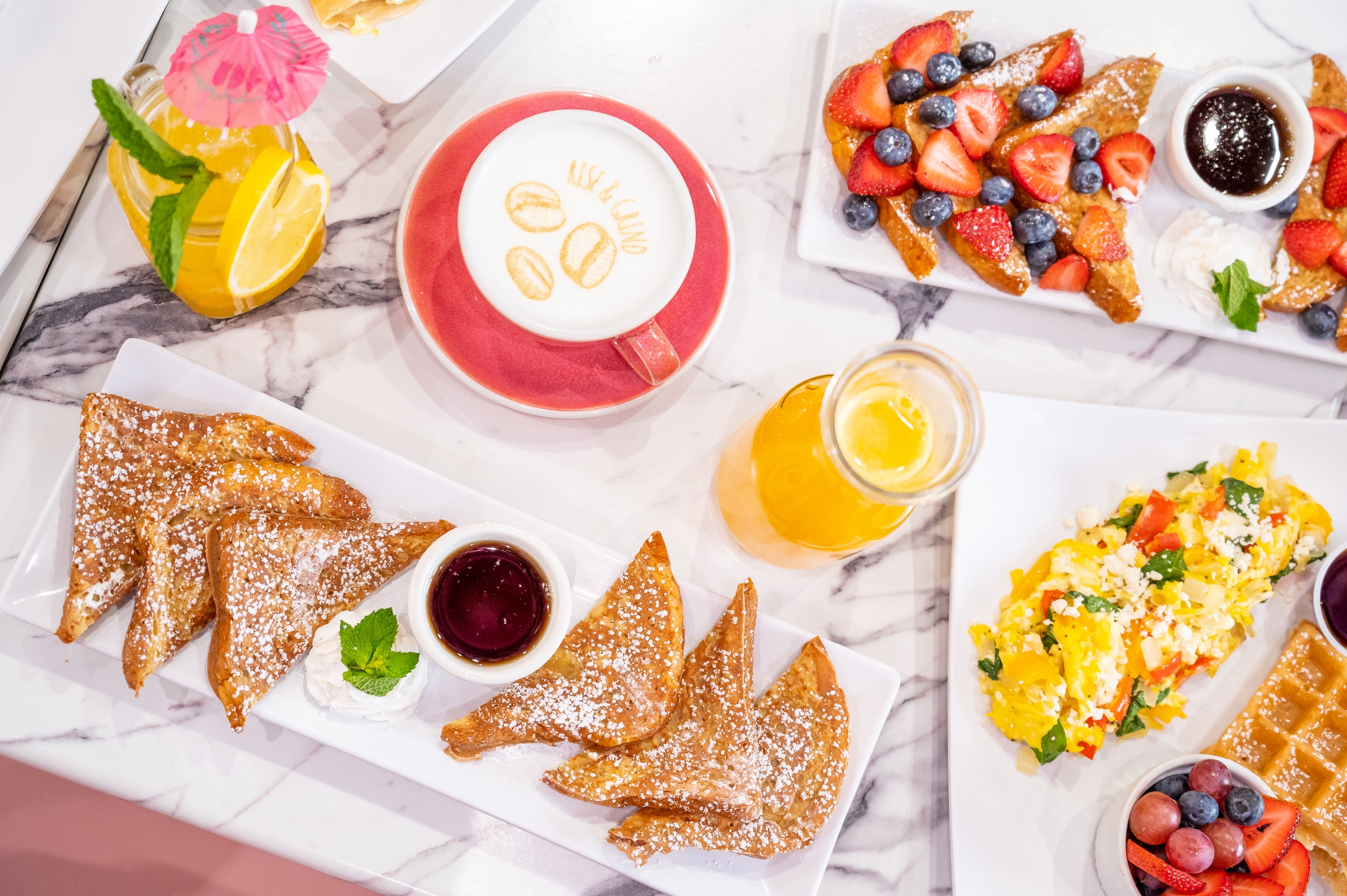
High-quality food photography creates desire and excitement. The “eat with your eyes” mentality should not be overlooked. Professional images of your signature dishes convince people to visit, while poor-quality photos or missing images reduce conversion rates dramatically.
We audit your website before launching any Google Ads campaign. This ensures your site can handle and convert the traffic. Fixing website issues, adding clear calls to action, and building the right landing pages for your target audience are all factors that should be addressed first to maximize your advertising return. Running ads to a broken website throws money away.
Competitive Advantages of Google Ads for Restaurants
Your competitors are fighting for the same customers. Google Ads gives you strategic advantages that level the playing field. Small restaurants can compete with larger chains effectively with strategic input.
Speed to Market for Promotions and Events
Traditional advertising requires weeks or months of lead time and can require a lot of additional expenses to develop (VO for a radio ad, graphic design for a billboard etc.) Google Ads campaigns can launch within a few days and can use your existing content.
Seasonal opportunities become easy to capture. Create Valentine’s Day campaigns in early February. Promote Mother’s Day brunch throughout April and early May. Launch and pause campaigns based on real-time demand and be able to track customer search habits.
Budgets and strategies can be adjusted daily based on results. Increase spending when campaigns perform well. Pause or reduce budgets during slower periods. No long term commitments, contracts, or wasted spending on underperforming channels or immeasurable advertising avenues.
Capturing High Intent Customers at Decision Time
Search intent matters more than search volume. Someone searching “brunch near me open now” is ready to eat immediately. Your ad appears exactly when they need it.
This beats awareness-based advertising by miles. Traditional ads hope someone remembers your restaurant later. Google Ads connects with customers during active decision-making points that are especially crucial for any restaurant or bar. No waiting for brand recall or future consideration.
Consider this – the average traditional marketing campaign generally requires a user to view or interact with the brand 7 times before a decision is made to actually visit. Google Ads are able to target a user at the exact moment they are already hungry and in the area. Combine that with drool-worthy photos and videos, a great special or an intriguing signature dish, and a snap decision can turn into a lifelong diner.
The timing advantage is enormous. You reach people when hunger and intent align perfectly, a truly unique opportunity for marketing food and beverage brands. This creates immediate action rather than passive awareness. Most clicks result in phone calls, directions, or reservations within minutes of finding your establishment on a search.
Appearing Above Competitors in Search Results
Google Ads appear at the very top of search results. Your restaurant shows before any competitor who relies only on organic rankings. This prime placement captures attention first.
You can target highly specific search terms. Bid on “best Italian restaurant downtown” or “private dining rooms for parties.” These precise keywords connect you with exactly the customers you want.
Your ads highlight what makes you unique. Showcase your signature dishes, award-winning chef, or farm-to-table ingredients. Competitors cannot match your specific selling points, so showcase them! Google Ads puts your differentiators front and center and helps you find the right mix of keywords to find your perfect customer.
What Makes Restaurant Google Ads Different
Restaurants have unique advertising needs. Google Ads for restaurants differs significantly from e-commerce or service business advertising. Understanding and capitalizing on these differences drives better results, which is where Embark Marketing’s expertise comes in.
Hyper Local Targeting for Restaurant Locations
Location targeting makes or breaks restaurant advertising. You only want to reach people who can actually visit your restaurant. Someone searching from 50 miles away will not drive to you for dinner.
Google Ads lets you target specific radius zones. Set a 5-mile radius for casual dining. Extend to 15 miles for destination restaurants or special occasions. Multi-location groups can target different radiuses for each restaurant.
Geographic bid adjustments maximize efficiency, as most diners will not travel outside of that 5 mile radius on a regular basis. Bid more for searches from your immediate neighborhood to capture those who will most likely dine with you regularly. This ensures your budget focuses on your best potential long-term customers.
Mobile targeting is especially important for restaurants. Over 75% of restaurant searches happen on mobile devices. Your ads reach people while they are out and about making dining decisions.
Strategic Ad Scheduling for Maximum Impact
Restaurant searches follow predictable patterns. Lunch searches peak between 10am and 12pm. Dinner searches surge from 3pm to 6pm. Weekend brunch queries increase Saturday and Sunday mornings.
You should advertise during decision windows, not service hours. Someone searching at 5pm is choosing where to eat at 7pm. Running ads during actual dinner service at 8pm wastes money.
Day parting controls when ads appear. Increase bids during peak decision hours. Reduce or pause ads during slow search times. This concentrates your budget when it matters most.
Day of the week matters too. Weekend advertising often needs higher budgets due to increased search volume. Weekday lunch campaigns target business diners differently than weekend dinner campaigns.
Seasonal and Event Based Campaign Flexibility
Restaurant demand fluctuates throughout the year. Valentine’s Day, Mother’s Day, and New Year’s Eve drive massive search volume. Local events like concerts, sports games, and festivals create opportunities that should not be overlooked.
Google Ads can adapt to these patterns instantly. Things like creating holiday specific campaigns weeks in advance, such as with our previously mentioned case study, or event-based campaigns when concerts or games are announced. Campaigns can be paused immediately when events are canceled or the weather turns bad.
Seasonal menu changes can have dedicated campaigns as well. Promote your summer patio when the weather improves. Advertise winter comfort food during cold months. Highlight fresh local ingredients during harvest season.
Weather-responsive advertising takes this further. Increase bids for patio dining ads on beautiful days. Promote delivery more heavily during rain or snow.
All of these examples go to show how restaurant Google Ads can really be tailored, tracked, refined, and instantly altered to make the most out of digital advertising dollars.
Why Partner With a Google Ads Agency
Managing Google Ads effectively requires specialized knowledge and daily attention. Most restaurant owners lack the time and expertise for optimal campaign management. And believe us when we say – the wrong approach wastes money fast.
Common DIY Google Ads Mistakes
Many restaurant owners try running Google Ads themselves. The platform seems simple at first. However, costly mistakes happen quickly without expertise.
Poor keyword selection drains budgets on irrelevant searches. Bidding on “restaurant” attracts people looking for jobs or supplies. Broad match keywords trigger ads for unrelated searches. Money disappears with no customer results.
Geographic targeting errors waste huge amounts. Setting your location as the restaurant address only targets people already there. You need radius targeting around your location instead. This single mistake can ruin campaign performance.
Conversion tracking setup trips up most beginners. Without proper tracking, you cannot measure phone calls or direction requests. You fly blind with no idea which ads actually work. This makes optimization impossible.
Ad copy and extensions require testing and refinement. Most DIY campaigns use generic text that fails to stand out. Missing call extensions, location extensions, and sitelinks reduce click rates significantly.
Restaurant Industry Specific Expertise
Restaurant marketing differs fundamentally from other industries. Generic Google Ads knowledge does not transfer directly. You need someone who understands restaurant-specific challenges and opportunities.
Industry experts know which keywords convert best for restaurants. They understand search patterns for different cuisine types and dining occasions. This knowledge prevents expensive trial and error.
Seasonal planning requires restaurant market knowledge. When should you start advertising for Mother’s Day? What budget adjustments work for New Year’s Eve? How do local events impact search volume, and what keywords can be anticipated to include for a campaign? Experience answers these questions.
Competitive intelligence helps you stay ahead. Restaurant-focused agencies track what top competitors do. They spot emerging trends in restaurant search behavior. This insider knowledge improves your competitive position.
Menu and pricing strategy affect ad performance. Agencies understand how to position different price points. They know how to advertise special occasions versus casual dining. This nuanced understanding of individual restaurant concepts and their target audience drives better results.
The Time Investment Required for Success
Effective Google Ads management demands consistent attention. Successful campaigns require 10 to 15 hours per month at a minimum of monitoring, refining, developing, and capitalizing on the trends discussed above.
Daily monitoring catches performance issues early. Budgets can be exhausted by mid-morning without proper pacing. Negative keywords need regular updates to block waste. Bid adjustments ned to be optimized based on performance data.
Keyword research never stops. New search terms emerge constantly. Competitor analysis reveals opportunities and threats. Search trend changes require campaign adjustments.
A/B testing improves results over time. Different ad copy, landing pages, and extensions need systematic testing. This methodical approach takes time but dramatically improves performance.
Restaurant owners rarely have the time available for any of this, nor the energy to learn the system effectively. Which is completely understandable, given that most are busy running their restaurant or bar business and dealing with the day-to-day real-world issues that come with it.
However, the reality is that restaurants without an online presence are just less likely to survive in today’s world. Having a dedicated person who understands both sides of the business and can provide guidance on trends, keep you on track for seasonal offers, and advise on new marketing strategies will keep you in front of hungry customers.
Running a restaurant already demands 60 to 80 hours weekly. Adding Google Ads management to your plate spreads you too thin. Focus on what you do best: creating great food and experiences.

Getting Started With Google Ads for Your Restaurant
Starting a restaurant Google Ads campaign does not need to feel overwhelming. Clear expectations and proper setup lead to successful results. Here is what the process looks like.
Initial Investment and Timeline Expectations
Most restaurants should budget $1,000 to $3,000 monthly for Google Ads. This covers the actual ad spend paid to Google. Agency management fees typically add 15% to 25% of ad spend.
Initial results appear within the first week, after an initial learning phase. You will see clicks, calls, and direction requests immediately. However, meaningful performance data requires 30 to 45 days at a minimum.
The first month focuses on data collection and learning. We identify which keywords perform best and what ad copy resonates with your audience. We test different targeting and bidding strategies to calculate what works best for your specific market and goals.
Performance usually improves significantly in months two and three. Optimization based on real data increases efficiency. Click costs often decrease while conversion rates increase. This is when ROI really accelerates.
At Embark Marketing, we require a commitment of at least 120 days for fair evaluation and optimization. Stopping too early prevents the campaign from reaching its potential, and the interruption of ad servicing can hinder data collection.
Most restaurants see their best results after three to six months of continuous optimization and keyword refinement.
Key Performance Metrics We Track
As with all of our advertising efforts, we focus on metrics that directly connect to your restaurant revenue. Vanity metrics like impressions matter less than actual business results.
For an example of our work with Yelp advertising, check out our case study on Acenar, a beloved San Antonio restaurant, here.
Phone call tracking shows exactly how many calls your ads generate. We track call duration to identify likely reservations versus quick questions. This data reveals your cost per qualified lead.
Direction requests indicate strong visit intent. We measure how many people click for directions to your location. This metric closely correlates with actual foot traffic.
Website conversions capture online reservations and menu views. We track which ads drive the most reservation submissions. For delivery-enabled restaurants, we measure online order starts.
Cost per conversion tells you exactly what you pay for each customer action. This number needs to stay well below your average check size. We optimize continuously to reduce this cost.
Return on ad spend calculates overall campaign profitability. We estimate revenue generated from tracked conversions. This shows whether your advertising investment pays off.
How We Measure Success Together
Transparent reporting keeps everyone aligned on campaign performance. You receive detailed monthly reports showing all key metrics. These reports connect advertising activity to business outcomes and provide valuable insight into who is interacting with your restaurant online.
Regular strategy calls ensure we stay on track. We review what is working and what needs adjustment. You share feedback on customer quality and busy periods. We refine campaigns based on your real-world observations and goals.
Success benchmarks will always evolve as campaigns mature. Month one focuses on basic performance metrics and market testing. Months two and three target efficiency improvements. Long term, we work toward maximizing return on ad spend.
Your input shapes campaign direction, as you know your restaurant better than anyone. We combine your business knowledge with our advertising expertise. This partnership approach delivers optimal results.
Campaign adjustments happen continuously. We do not set it and forget it. Market conditions change. Competitor activity shifts. Seasonal patterns emerge. We adapt your campaigns to maintain strong performance throughout and anticipate market trends for maximum campaign exposure.
Ready to Fill More Tables With Google Ads?
Google Ads gives restaurants a powerful competitive advantage. You reach customers at the exact moment they decide where to eat. You track every dollar spent and measure real business results.
The platform offers unmatched targeting and flexibility. You control your budget, timing, and message completely. Results appear quickly and improve continuously with expert management.
Partnering with an experienced agency maximizes your investment. You avoid costly mistakes and wasted budget. You benefit from restaurant industry expertise and ongoing optimization.
Most importantly, you focus on running your restaurant while we fill your tables. Contact us today to discuss how Google Ads can drive more customers to your restaurant.